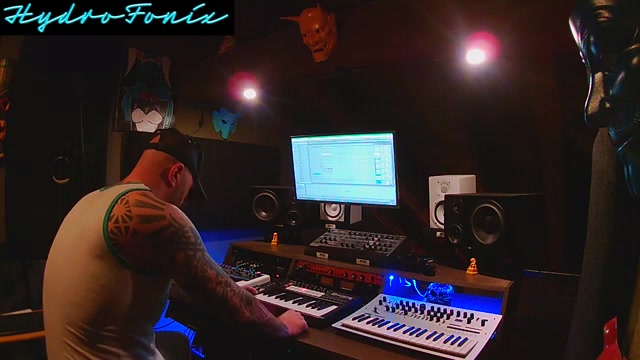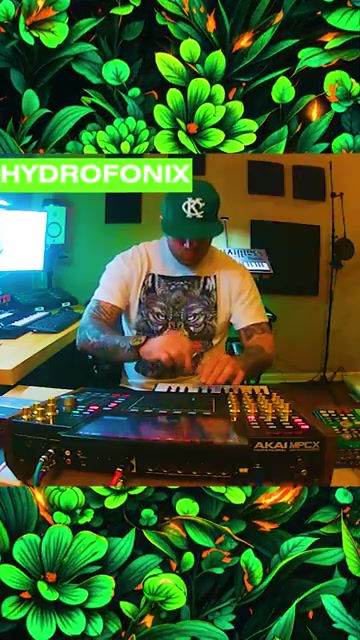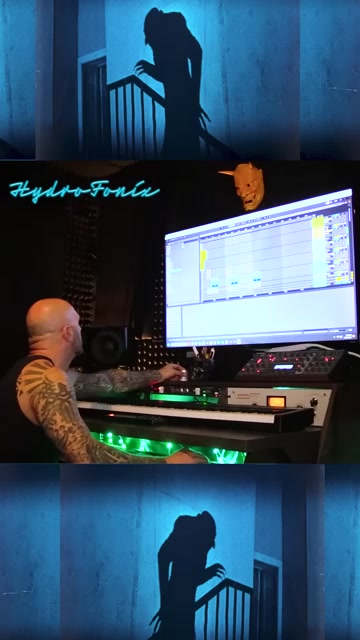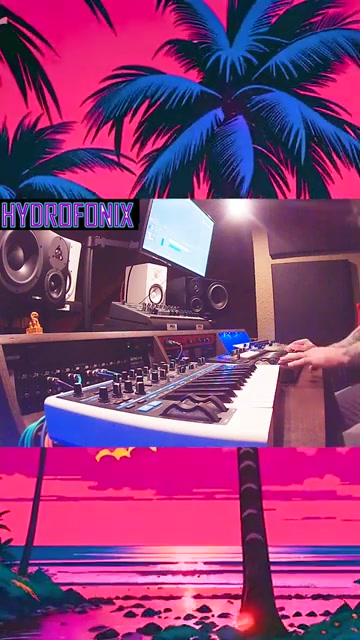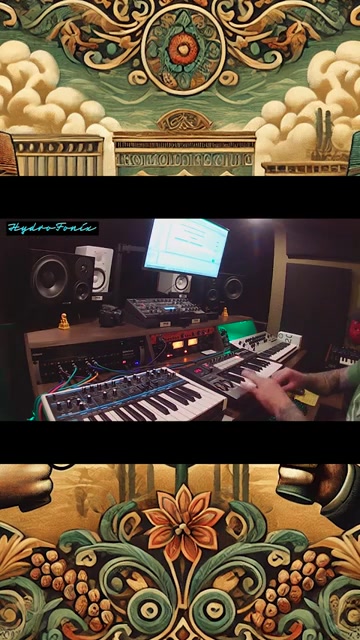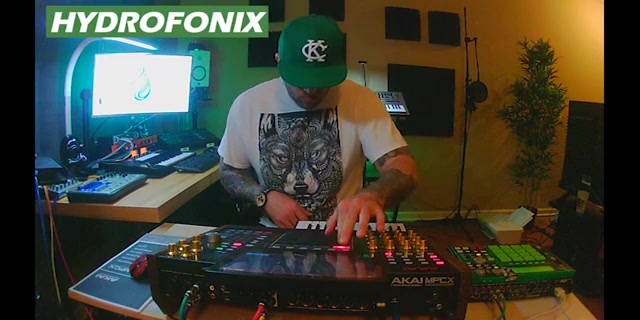
Brandon at AKAI MPC X in Hydrofonix Studio
Equipment Analysis

HYDROFONIX
STUDIO

Equipment Analysis by Manny — Audio Engineer for Phrase

This is a legitimate signal chain. MK4 → Neve 1073 → LA-2A → RME is a path that professional studios charge $200–500/hour to access. The gear is ready. Now it's about dialing in the workflow and letting the signal chain do what it was built to do.
Brandon

Brandon "Stein"

Producer • Engineer • Hydrofonix Studio

The Signal Chain

Every link in this chain is professional grade. Sound enters the microphone and arrives in the DAW with warmth, dynamics control, and pristine conversion.

Sennheiser MK4
Microphone
Sennheiser MK4
Captures the vocal. True condenser, large diaphragm cardioid with clarity and bite for rap.
Neve 1073SPX
Preamp + EQ
Neve 1073SPX
Amplifies and colors the signal. Carnhill transformer warmth, harmonic saturation, iconic tone.
LA-2A Compressor
Compressor
Audioscape LA-2A
Controls dynamics. Optical compression smoothly rides levels so quiet and loud sit together.
RME Fireface UCX
Interface
RME Fireface UCX
Converts analog to digital with zero signal loss. Rock-solid drivers, ultra-low latency.
Ableton Live
DAW
Ableton Live
Records, edits, and mixes. Session View for creative flow, built-in effects, MPC integration.

Gear Review

Manny's breakdown of every piece in the chain — what it does, why it matters, and how to get the most out of it.

01
Sennheiser MK4
Microphone

Sennheiser MK4

True condenser, large diaphragm, cardioid. Slightly present top end gives clarity and bite for rap vocals without harshness. Low self-noise, handles high SPL — important for aggressive delivery. Punches well above its ~$300 price point.

Character
Present top end, clarity and bite without harshness
Consideration
Condenser picks up everything — room noise, reflections, AC. Room treatment is critical.
Studio recording session
02
Neve 1073SPX
Preamp + EQ

Neve 1073SPX

The crown jewel. Single-channel preamp with EQ, Carnhill transformers. Iconic warmth, harmonic saturation, thickens low-mids without mud. Pushed gain gets musical, not ugly. For rap: fullness in chest voice and aggressive delivery, clarity still cuts on top end.

EQ Section
Start flat. Experiment once Jerome knows his mic voice. Subtle moves on the way in are pro technique.
For Rap
Fullness in chest voice, clarity on top. Musical even when pushed hard.
Neve rack with green LEDs
03
LA-2A Compressor
Compressor

Audioscape LA-2A Clone

Optical compressor (Teletronix LA-2A clone). Natural, smooth dynamic control. Gently rides levels so quiet setups and loud punchlines sit together. Over-compression on input is permanent — keep it conservative.

Settings
Compress mode for tracking. 3–5 dB gain reduction on peaks. Light going in, precise in the mix.
Two Modes
Compress (standard tracking) / Limit (more aggressive — specific effect only)
04
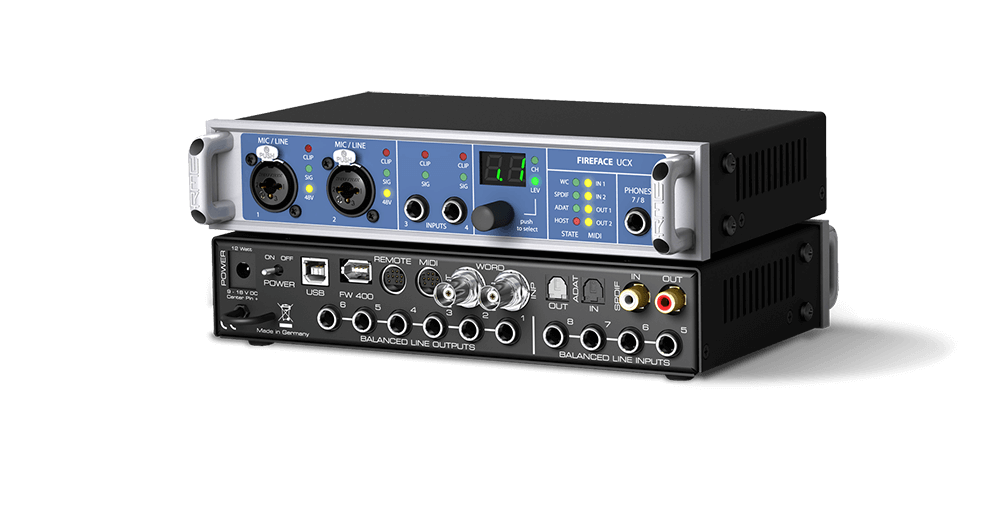
RME Fireface UCX
Audio Interface

RME Fireface UCX

Professional USB audio interface. Excellent converters, rock-solid low-latency drivers. No signal loss in analog-to-digital conversion. Low buffer sizes with no crackling means real-time monitoring for the rapper.

Key Feature
TotalMix FX software mixer — headphone monitoring with comfort reverb WITHOUT printing it to the recording
For Tracking
Low buffer sizes with zero crackling = real-time monitoring
Close-up monitors and gear rack
05
Ableton Live
DAW

Ableton Live

Ableton Live Suite. Full plugin library, Max for Live, Session View for creative flow, built-in effects (EQ Eight, Compressor, Reverb are solid), seamless MPC workflow integration. Great for creative production + vocal recording in one environment.

Setup Needed
Sample rate locked at 44.1kHz, buffer size config, vocal recording template with proper routing
Strengths
Session View, solid built-in effects, seamless MPC integration
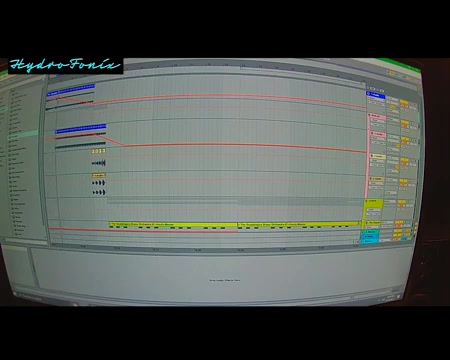
Ableton session close-up
06
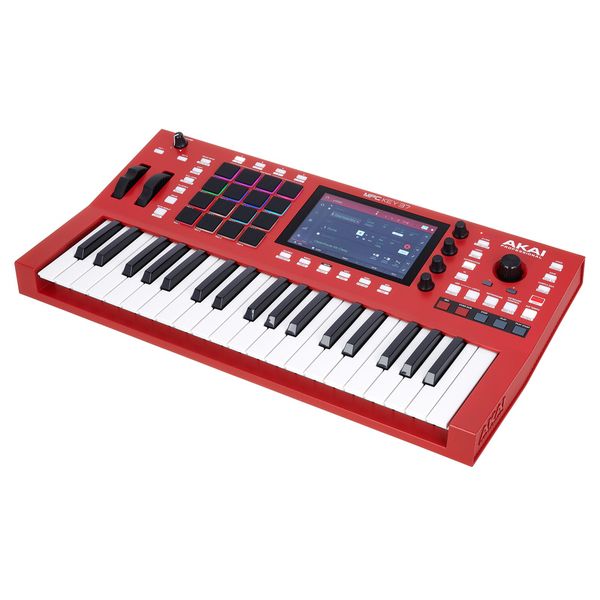
Akai MPC Key 37
Production

Akai MPC Key 37

Standalone sampler/sequencer with 37 keys. Beat-making, sample flipping, sketch ideas without a computer. Integrates with Ableton as a controller. Not part of the recording chain but a vital part of the production ecosystem.

Role
Beat creation, sample flipping, idea sketching — works standalone or as Ableton controller
Note
Not in the vocal recording chain — production ecosystem only
Hands on MPC Key 37
Studio accent

Education Plan

Three phases to take Jerome and Stein from gear owners to self-sufficient recording artists.

1
Recording Fundamentals
1
Room treatment basics — what to hang, where, and why (even in a bedroom)
2
Gain staging — correct levels at each point: MK4 → Neve → LA-2A → RME. Nothing clips, everything clean.
3
Mic technique for rap — distance, angle, pop filter positioning, handling loud-to-quiet dynamics
4
Ableton recording template — sample rate, buffer, track routing, headphone monitoring with comfort reverb
5
LA-2A sweet spot — Peak Reduction and Gain dialed for Jerome's voice specifically
2
Rap-Specific Recording Techniques
1
Punching in — comping takes, invisible punches
2
Double tracking — when to double, matching tightness, panning
3
Ad-libs and layering — stacking without phase issues
4
Breath control on mic — when to keep, when to cut, recording for easy editing
5
Sound effects and vocal production — stutter effects, skipping sounds, electricity (per Jerome's lyric notes). Record raw material for easy manipulation.
3
Mixing & Mastering Fundamentals
1
Vocal chain in Ableton — EQ → compression → de-essing → saturation → reverb → delay. Order, amounts, purpose.
2
Industry standard rap vocal processing — what modern hip-hop vocals sound like and how to get there
3
Mixing vocals to a beat — voice ON TOP of instrumental, not drowning or fighting
4
Basic mastering — loudness targets (LUFS), limiting, mix vs. master distinction
5
Reference mixing — A/B against professional releases to calibrate ears

The Goal

Jerome and Stein self-sufficient for tracking and rough mixing. Professional mix/master for Tier 1 releases (albums), DIY for everything else (clips, demos, social content). Saves money, saves time, and means Jerome can record whenever inspiration hits.

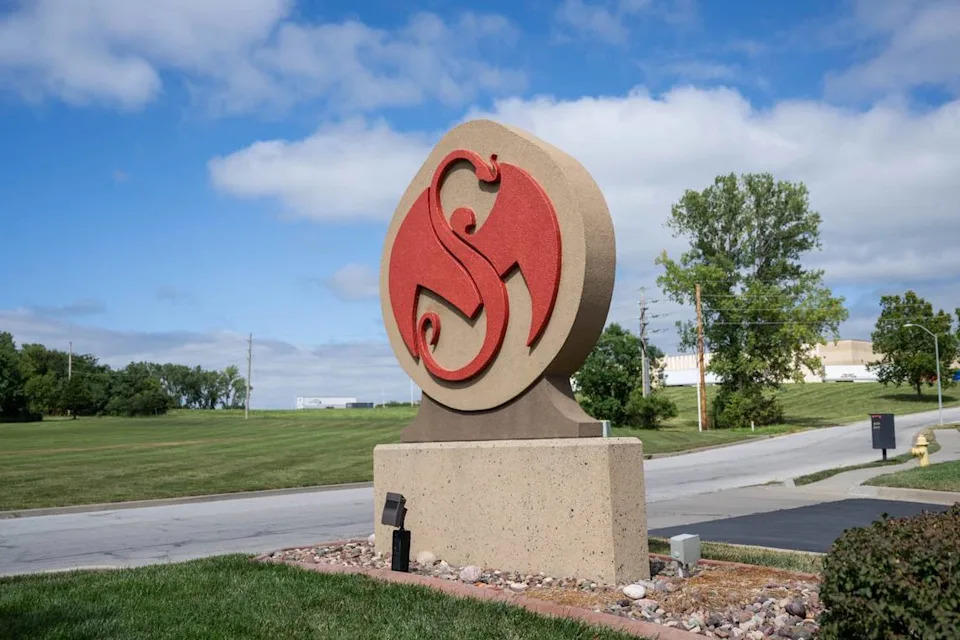
Strange Music HQ entrance - snake and bat logo
Strange Music

Strange Music Strategy

Maximize every 4-hour recording block at Strange Music with an included engineer.

Strange Music HQ - Snake and Bat monument at entrance
Strange Music HQ entrance — Kansas City, MO
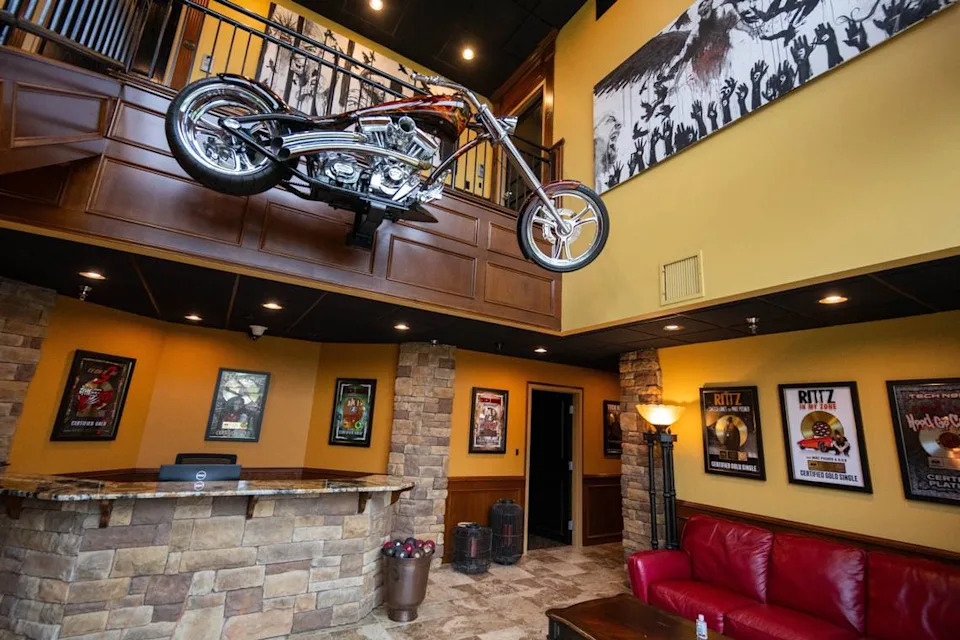
Inside Strange Music - chopper motorcycle and gold records
Inside Strange Music HQ — gold records, chopper tribute

The Workflow: Home for Creative, Strange for Polish

At Home (With Stein)

Write, rehearse, experiment, lock in delivery, record solid takes with no clock pressure.

At Strange Music

Track one new song live + mix/master one pre-made song from home. Two songs progressed per session.

Optimal 4-Hour Session Structure

TimeActivityOutput
Hour 1 Record a new song live (rehearsed at home, lyrics cold, delivery locked) Raw tracked song
Hour 2 Comp and edit — pick best takes, punch fixes, clean up Comped/edited song
Hour 2.5–3.5 Mix a pre-made song brought from home Mixed track
Hour 3.5–4 Master the mixed song + review + export stems FINISHED song

Result: Leave every session with 1 new song tracked + 1 previously tracked song mixed/mastered. At 4 sessions/month = 8 songs progressed/month.

What to Bring From Home

Track vocals dry — no reverb/delay printed. Effects on separate monitoring bus only.
Export stems, not stereo mix — vocals separate, beat as grouped stems (drums, bass, melodic, FX)
Label everything clearly — Jerome_Lead_Vocal_V2_Final.wav not audio_track_7.wav
Include a reference track — a commercial song that sounds like what you want
Match sample rate — 44.1kHz/24-bit confirmed. Ensure Strange sessions match.
Consolidate from bar 1 — all audio starts at session start for automatic alignment
Bring session file AND stems — Ableton project if they use it, stems if they use Pro Tools. Ask in advance.

Learn From the Engineer (Free Masterclass)

Each session, pay attention to:

  • What plugins they reach for first on vocals (industry standard chain for YOUR voice)
  • How much compression in the mix (watch gain reduction meters)
  • How they EQ your voice (where they cut and boost = your voice's characteristics)
  • How your vocals sound on their monitors vs. home headphones
  • Ask them to explain ONE technique per session — over 10 sessions, that's 10 pro techniques absorbed

Confirm With Strange

Is the included engineer available for BOTH recording AND mixing in the same block?
What sample rate do they use?
What DAW (Pro Tools? Ableton? Other)?
Separate rates for recording vs. mixing?

First Studio Session Guide

What to Expect

  • Room looks and sounds different from home
  • Voice sounds different on studio monitors — cleaner, more present, more exposed
  • Give yourself 15–20 min to settle in
  • Recording is physically tiring — best takes come early
  • Punching in feels weird at first but is how every pro vocal is recorded

Engineer Creative Input — They May Suggest

  • Beat drops / arrangement changes
  • Vocal delivery adjustments
  • Double tracking / layering
  • Effect suggestions

Studio Etiquette

  1. Be on time or early
  2. Come warmed up
  3. Know songs COLD
  4. Bring room temperature water
  5. Be honest about headphone mix
  6. Don't touch equipment
  7. Take direction gracefully
  8. Keep it small — first sessions: Jerome + Stein only
  9. Take breaks but stay warm
  10. GET YOUR FILES — bring USB/external drive

The Strange Music Advantage

Strange engineers have tracked Tech N9ne and the fastest, most technically demanding rappers in the game. They won't be intimidated by intensity or confused by complex delivery. They know how to capture high-energy hip-hop. Jerome is in the right room for the kind of music he makes.

Vocal Warmup

15-minute routine to protect your voice and deliver your best takes every session.

TOTAL TIME: 15 MINUTES
Stage 1

Wake the Body

2 minutes
Neck rolls — slow circles, 5 each direction
Shoulder shrugs — up, hold 3 sec, drop. 5 times.
Jaw release — open wide, hold 5 sec, close slowly. 5 times. Massage jaw muscles.
Tongue stretch — extend fully, hold 5 sec. Press tip to roof of mouth, hold 5 sec. 3 times.
Stage 2

Breath Support

3 minutes
Diaphragmatic breathing — in through nose 4 counts (stomach OUT, not chest), hold 4, exhale 'sssss' for 8 counts. 5 reps.
Breath punches — sharp 'HA-HA-HA-HA' from diaphragm, 1/sec. 10 reps.
Long hum exhale — deep breath in, hum 'mmmm' as long as possible. Feel vibration in chest/face. 3 reps.
Stage 3

Vocal Wake-Up

5 minutes
Lip trills (motorboat) — slide low to high and back. 30 sec. Single most effective warmup that exists.
Humming scales — comfortable low to high and back. 30 sec.
'Mah-May-Mee-Moh-Moo' on ascending scale. 1 min.
Rapid articulation — 'Buh-Duh-Guh' 15 sec, then 'Puh-Tuh-Kuh' 15 sec. Pre-activates consonants for fast rap.
Tongue twisters at increasing speed — 1 min rotating
Stage 4

Rap-Specific Activation

5 minutes
Freestyle at 50% energy — just let words flow, half speed, half volume. 1–2 min.
One memorized verse at 75% energy — crisp diction, steady breath. 1–2 min.
Same verse at full energy — final warmup rep. 1 min.

Vocal Cooldown (After Sessions)

  • Gentle humming — low, easy. 1 min.
  • Lip trills — gentle. 30 sec.
  • Yawning — 5 big yawns. Stretches and relaxes vocal apparatus.
  • Silence — 30–60 min minimal talking. Room temp water. Let cords recover.
  • NEVER whisper when voice is tired — whispering is harder on cords than normal speech.